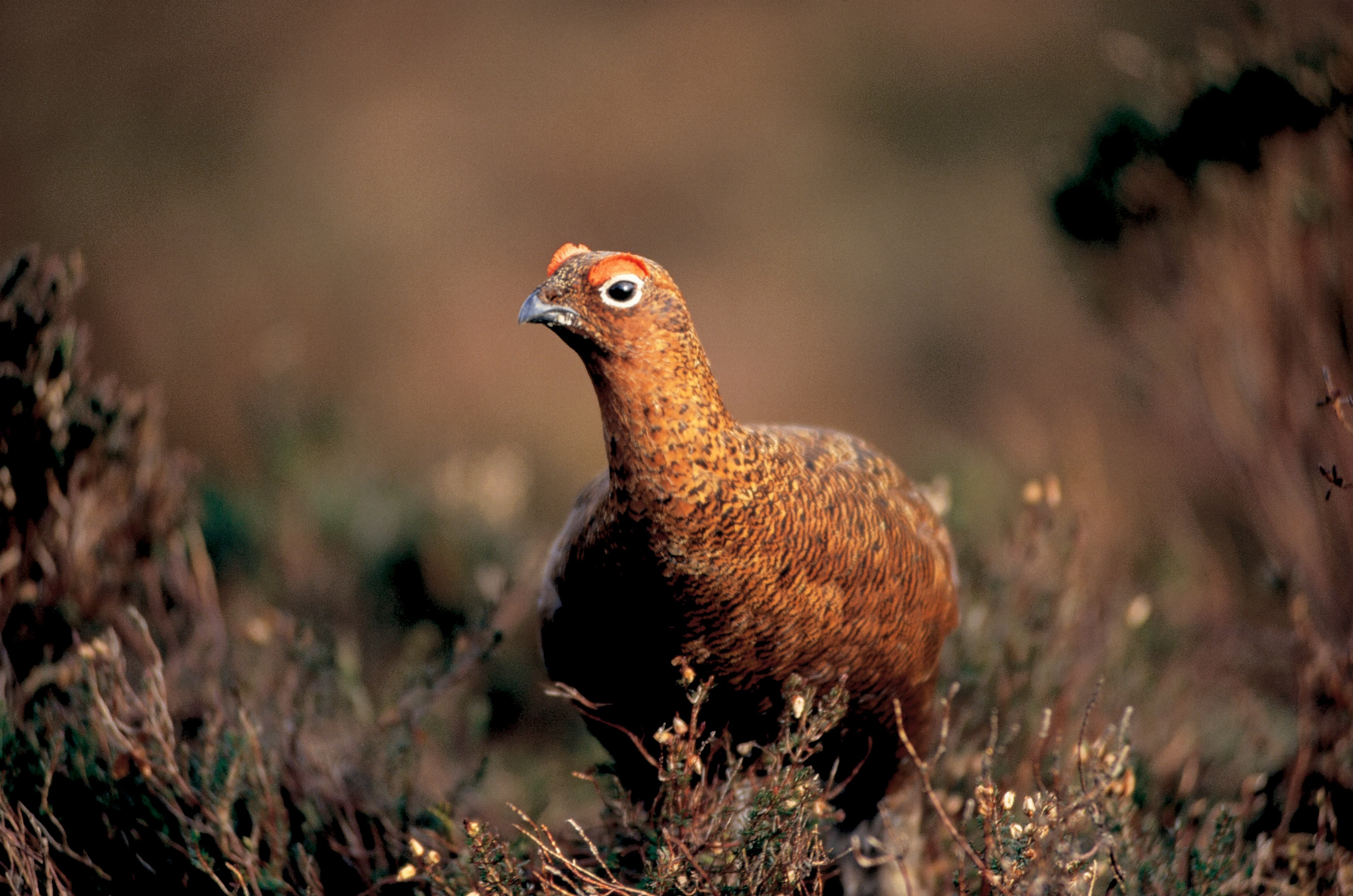
Small game hunting is the easiest way to get started as a hunter — no established crew required, gear doesn't have to cost a fortune, and accessible terrain is available across most of the country.
Small Game Hunting for Beginners
Small game hunting is the easiest way to get started as a hunter. You don't need an established hunting crew, your gear doesn't have to cost a fortune, and accessible terrain is available throughout much of the country. I got into ptarmigan hunting a good few years back, and it's still the type of hunting I look forward to most every year.
Here's what you need to know to get out on your first small game hunt.
What is small game?
Small game covers all huntable wildlife that isn't classified as big game. In practice, we're talking about:
Birds: Willow ptarmigan (lirype), rock ptarmigan (fjellrype), capercaillie (storfugl — tiur/røy), black grouse (orrfugl), hazel grouse (jerpe), woodpigeon (ringdue), greylag goose (grågås), and several duck species.
Mammals: Mountain hare (hare), red fox (rev), badger (grevling), pine marten (mår), and beaver (bever).
The most popular small game species among Norwegian hunters are ptarmigan, forest grouse, and hare. SSB (Statistics Norway) reports that roughly 100,000 ptarmigan and 30,000 forest grouse are harvested annually in Norway, though the numbers vary considerably from year to year depending on population cycles.
Season dates
Small game season opens on 10 September for most species. Ptarmigan and forest grouse seasons start on that date across most of the country, and it's the date most small game hunters have circled on their calendar.
Here are the key season dates:
Willow ptarmigan and rock ptarmigan: 10 September to 28 (or 29) February. Many areas run shorter seasons than this. Local regulations may restrict hunting, especially in years with low populations.
Capercaillie and black grouse: 10 September to 23 December.
Mountain hare: 10 September to 28 (or 29) February in most counties, but it varies. Check local regulations.
Red fox: 15 July to 15 April. A long season, and fox is accessible in most terrain.
It's your responsibility to check the current season dates for the area you plan to hunt. Municipalities may have introduced restrictions beyond the national framework.
Gear
You don't need the most expensive equipment to get started, but there are a few things worth getting right.
A shotgun is the most common firearm for small game hunting. A 12-gauge semi-automatic or double-barrel shotgun is the standard choice. A 20-gauge works well too and is lighter to carry. For ptarmigan and forest grouse hunting, most hunters use shot shells in size 3 to 5 (Norwegian numbering).
A rifle can be used for some species, such as fox and hare, but a shotgun is more versatile for bird hunting. Some hunters use a combination gun (drilling) with both shotgun and rifle barrels.
Small Game Hunting for Beginners
•6 min read
Small game hunting is the easiest way to get started as a hunter — no established crew required, gear doesn't have to cost a fortune, and accessible terrain is available across most of the country.
Small Game Hunting for Beginners
Small game hunting is the easiest way to get started as a hunter. You don't need an established hunting crew, your gear doesn't have to cost a fortune, and accessible terrain is available throughout much of the country. I got into ptarmigan hunting a good few years back, and it's still the type of hunting I look forward to most every year.
Here's what you need to know to get out on your first small game hunt.
What is small game?
Small game covers all huntable wildlife that isn't classified as big game. In practice, we're talking about:
Birds: Willow ptarmigan (lirype), rock ptarmigan (fjellrype), capercaillie (storfugl — tiur/røy), black grouse (orrfugl), hazel grouse (jerpe), woodpigeon (ringdue), greylag goose (grågås), and several duck species.
Mammals: Mountain hare (hare), red fox (rev), badger (grevling), pine marten (mår), and beaver (bever).
The most popular small game species among Norwegian hunters are ptarmigan, forest grouse, and hare. SSB (Statistics Norway) reports that roughly 100,000 ptarmigan and 30,000 forest grouse are harvested annually in Norway, though the numbers vary considerably from year to year depending on population cycles.
Season dates
Small game season opens on 10 September for most species. Ptarmigan and forest grouse seasons start on that date across most of the country, and it's the date most small game hunters have circled on their calendar.
Here are the key season dates:
Willow ptarmigan and rock ptarmigan: 10 September to 28 (or 29) February. Many areas run shorter seasons than this. Local regulations may restrict hunting, especially in years with low populations.
Capercaillie and black grouse: 10 September to 23 December.
Mountain hare: 10 September to 28 (or 29) February in most counties, but it varies. Check local regulations.
Red fox: 15 July to 15 April. A long season, and fox is accessible in most terrain.
It's your responsibility to check the current season dates for the area you plan to hunt. Municipalities may have introduced restrictions beyond the national framework.
Gear
You don't need the most expensive equipment to get started, but there are a few things worth getting right.
A shotgun is the most common firearm for small game hunting. A 12-gauge semi-automatic or double-barrel shotgun is the standard choice. A 20-gauge works well too and is lighter to carry. For ptarmigan and forest grouse hunting, most hunters use shot shells in size 3 to 5 (Norwegian numbering).
A rifle can be used for some species, such as fox and hare, but a shotgun is more versatile for bird hunting. Some hunters use a combination gun (drilling) with both shotgun and rifle barrels.
Clothing. Mountain weather in September and October can change quickly. Layering is the principle. A good windproof jacket, wool base layers, waterproof trousers, and solid hill boots are the foundation. Don't underestimate good footwear. Ptarmigan hunting often means long walks in rugged terrain, and poor boots will ruin your day fast.
A pack. A day pack of 25 to 35 litres with room for food, water, extra clothing, and any game you take. Some hunters prefer packs with dedicated game pockets.
Binoculars. Not strictly necessary for ptarmigan hunting, but useful for spotting birds at a distance and identifying species. A lightweight 8x32 or 10x42 is a solid choice.
Hunting with a dog
Many hunters will tell you that small game hunting with a pointing dog is the pinnacle of Norwegian hunting tradition. A good bird dog finds game you would never have located on your own, and the partnership between hunter and dog adds an extra dimension to the experience.
The most common breeds for ptarmigan hunting are the English setter, pointer, Gordon setter, and Irish setter. For hare hunting, scenthounds such as the drever, dunker, or Finnish hound are commonly used.
Starting with your own dog is a major investment of both time and money. A hunting dog needs several years of training before it performs reliably in the field. For beginners, it may be better to hunt with someone who already has a dog, or to try it without a dog first.
Hunting without a dog works perfectly well. You can flush birds on foot by moving slowly through the terrain, stopping often and letting the ptarmigan get nervous. Many experienced hunters go out without a dog and do just fine.
Where do you find terrain?
Small game terrain is easier to find than big game terrain. Here are the most common sources:
State land and common land (statsgrunn og statsallmenninger) often offer open small game hunting with day-ticket sales. Fjellstyrer (mountain commons boards) and Statskog sell day tickets, week tickets, and season permits.
Private land is another option. Many landowners sell hunting permits for small game, either directly or through digital platforms. On Hunta you can find small game terrain across the whole country, with information on available species, daily bag limits, and pricing.
For beginners, I recommend starting with known areas where good populations have been documented. It's far more motivating to see birds — even if you don't fill your limit — than to walk a full day without spotting anything at all.
Rules and ethics
Some rules you should know:
Daily bag limit. Many areas restrict how many birds you may take per day. Two to three ptarmigan per hunter per day is typical in many mountain areas. Respect the limit, even when birds are plentiful.
Protected species and periods. Certain species are protected during certain periods. Forest grouse (capercaillie and black grouse) with chicks should not be hunted early in the season if the brood appears late to develop. Use your judgement.
Behaviour in the field. Show consideration for other users of the mountain. Hikers, cyclists, and other hunters share the terrain with you. Keep a safe distance, and never shoot in the direction of trails or visible people.
Tracking wounded game. If you wound a bird, you are obligated to do everything you can to recover it. A good dog is invaluable in these situations, but even without a dog you should search thoroughly.
Your first trip: what to expect
Let me be honest. Your first hunting trip probably won't end with a full bag. That's completely normal. Ptarmigan hunting is largely about reading terrain, understanding wind and weather, and gradually building experience.
Expect to walk a lot. A typical day of ptarmigan hunting involves 10 to 20 kilometres in the mountains, often over steep and uneven ground. Being fit helps.
Expect to miss. There's no shame in missing shots. A flushing ptarmigan is a difficult target, especially in wind. The more shots you take, the better you get.
Expect to get hooked. There's something about walking the mountains with a shotgun over your shoulder, hearing a dog bark in the distance, and watching ptarmigan rise against the sky. Most people who try small game hunting for the first time come back for more.
Find your first small game terrain on Hunta and book your hunt. Also check the knowledge centre for more on season dates and regulations. It's the easiest way to get out into the mountains with legal access and a clear conscience.
Clothing. Mountain weather in September and October can change quickly. Layering is the principle. A good windproof jacket, wool base layers, waterproof trousers, and solid hill boots are the foundation. Don't underestimate good footwear. Ptarmigan hunting often means long walks in rugged terrain, and poor boots will ruin your day fast.
A pack. A day pack of 25 to 35 litres with room for food, water, extra clothing, and any game you take. Some hunters prefer packs with dedicated game pockets.
Binoculars. Not strictly necessary for ptarmigan hunting, but useful for spotting birds at a distance and identifying species. A lightweight 8x32 or 10x42 is a solid choice.
Hunting with a dog
Many hunters will tell you that small game hunting with a pointing dog is the pinnacle of Norwegian hunting tradition. A good bird dog finds game you would never have located on your own, and the partnership between hunter and dog adds an extra dimension to the experience.
The most common breeds for ptarmigan hunting are the English setter, pointer, Gordon setter, and Irish setter. For hare hunting, scenthounds such as the drever, dunker, or Finnish hound are commonly used.
Starting with your own dog is a major investment of both time and money. A hunting dog needs several years of training before it performs reliably in the field. For beginners, it may be better to hunt with someone who already has a dog, or to try it without a dog first.
Hunting without a dog works perfectly well. You can flush birds on foot by moving slowly through the terrain, stopping often and letting the ptarmigan get nervous. Many experienced hunters go out without a dog and do just fine.
Where do you find terrain?
Small game terrain is easier to find than big game terrain. Here are the most common sources:
State land and common land (statsgrunn og statsallmenninger) often offer open small game hunting with day-ticket sales. Fjellstyrer (mountain commons boards) and Statskog sell day tickets, week tickets, and season permits.
Private land is another option. Many landowners sell hunting permits for small game, either directly or through digital platforms. On Hunta you can find small game terrain across the whole country, with information on available species, daily bag limits, and pricing.
For beginners, I recommend starting with known areas where good populations have been documented. It's far more motivating to see birds — even if you don't fill your limit — than to walk a full day without spotting anything at all.
Rules and ethics
Some rules you should know:
Daily bag limit. Many areas restrict how many birds you may take per day. Two to three ptarmigan per hunter per day is typical in many mountain areas. Respect the limit, even when birds are plentiful.
Protected species and periods. Certain species are protected during certain periods. Forest grouse (capercaillie and black grouse) with chicks should not be hunted early in the season if the brood appears late to develop. Use your judgement.
Behaviour in the field. Show consideration for other users of the mountain. Hikers, cyclists, and other hunters share the terrain with you. Keep a safe distance, and never shoot in the direction of trails or visible people.
Tracking wounded game. If you wound a bird, you are obligated to do everything you can to recover it. A good dog is invaluable in these situations, but even without a dog you should search thoroughly.
Your first trip: what to expect
Let me be honest. Your first hunting trip probably won't end with a full bag. That's completely normal. Ptarmigan hunting is largely about reading terrain, understanding wind and weather, and gradually building experience.
Expect to walk a lot. A typical day of ptarmigan hunting involves 10 to 20 kilometres in the mountains, often over steep and uneven ground. Being fit helps.
Expect to miss. There's no shame in missing shots. A flushing ptarmigan is a difficult target, especially in wind. The more shots you take, the better you get.
Expect to get hooked. There's something about walking the mountains with a shotgun over your shoulder, hearing a dog bark in the distance, and watching ptarmigan rise against the sky. Most people who try small game hunting for the first time come back for more.
Find your first small game terrain on Hunta and book your hunt. Also check the knowledge centre for more on season dates and regulations. It's the easiest way to get out into the mountains with legal access and a clear conscience.