Gralloching, Field Dressing & Skinning
- First priority
- Empty the body cavity promptly (ideally within 30–60 min) and start cooling
- Target core temp
- Below 7 °C (45 °F) steadily; never drop below 10 °C (50 °F) in the first 10 hours
- Water in the field
- Wipe blood and hair dry with paper towels; use clean water only for gut shots
- Essential kit
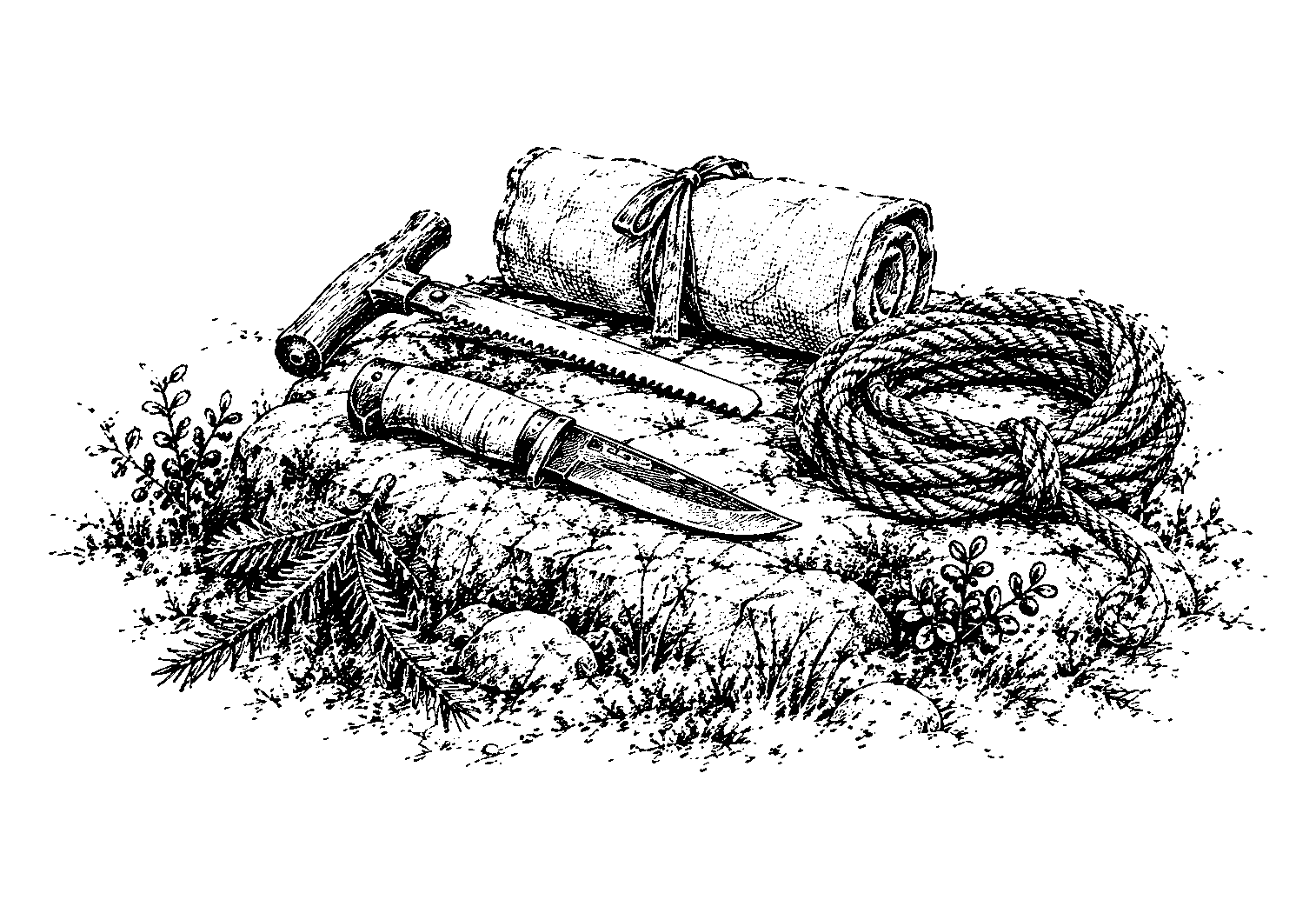
- Sharp drop-point knife + gut hook, nitrile gloves, bone saw, game bag and cord
On this page
Eating quality in wild game is decided in the first two hours after the shot. Clean field dressing, careful extraction and controlled cooling are what separate tender, clean-tasting venison from meat tainted by heat, dirt or gut bacteria.
What happens to the carcass right after the shot
Once blood circulation stops, a freshly shot deer holds an internal body temperature of 38–39 °C (100–102 °F). Fermentation and gas build-up continue inside the rumen and intestines immediately, while natural tissue barriers weaken hour by hour. In parallel, muscle glycogen converts to lactic acid, lowering meat pH toward 5.5–5.7—the natural acidity that protects the carcass during ageing.
Opening the carcass promptly removes the central heat mass and lets cool air reach the thick hindquarter muscles. Leaving a heavy stag or moose un-gutted in mild autumn weather can cause bone souring deep inside the hip joint in just a few hours.
Field dressing kit worth carrying
You do not need a full butcher roll in your pack, just a few sharp, washable tools:
- Two blades (or drop-point + gut hook): A compact 8–11 cm (3–4.5 in) drop-point knife for precision work, plus a blunt-tip belly opener so you never nick the rumen.
- Several pairs of nitrile gloves: Keeps hands and meat clean while protecting open cuts against zoonotic pathogens.
- Paper towels and zip-ties or butcher twine: For tying off the oesophagus and rectum cleanly, bagging heart and liver, and wiping dry.
- Drag rope, gambrel or breathable game bag: Keeps soil, leaves and swamp water out of the cavity during extraction.
Step-by-step: Field dressing deer and big game
- Position the carcass. Lay the animal on its back with the head slightly uphill so gravity pulls the viscera away from the chest and pelvis.
- Drain pooled blood. Clean lung shots bleed internally into the chest; if blood remains pooled, make a small incision at the thoracic inlet and let it drain away from the flank.
- Free and tie the lower bowel. Cut cleanly in a deep circle around the anus, pull a short length out, and seal it tightly with twine, a zip-tie or a small bag so droppings cannot spill as it slides inward.
- Open the abdominal wall carefully. Make a shallow entry just behind the sternum, guide the blade edge upward between two fingers (or use a blunt-tip belly opener), and open down to the pelvis. Cut around the udder or penis/testes and remove them completely.
- Sever the windpipe and oesophagus. Cut the diaphragm free along the inside of the ribcage, reach high into the neck cavity and sever both tubes above the chest. Tie off the oesophagus if the stomach is full.
- Roll the viscera out in one piece. Holding the windpipe and oesophagus, gently free connective tissue along the spine—taking care not to score the tenderloins—and roll heart, lungs, liver, stomach and intestines cleanly out to the side.
- Inspect organs and wipe dry. Check the liver, lungs and visible lymph nodes for abscesses or parasites. Prop the front end up to drain remaining blood and wipe the cavity dry with clean paper.
Cooling targets by carcass size
Cooling too slowly breeds bacteria; cooling too fast before rigor mortis triggers cold shortening. Use these benchmarks as a field reference:
| Game size | Target at 10–12 hours | Cold-shortening risk (< 0 °C / 32 °F) | Skinning timing |
|---|---|---|---|
| Roe deer / small deer (12–25 kg / 26–55 lb) | 10–12 °C (50–54 °F) | High – avoid chilling below 10 °C in first 10 h | Skin once hung in a clean larder |
| Red deer / reindeer / whitetail (40–110 kg / 88–240 lb) | 10–15 °C (50–59 °F) | Moderate – shelter from hard frost day one | Skin promptly in clean larder |
| Moose / elk / heavy game (150–300+ kg / 330–660+ lb) | Below 15 °C (59 °F) at deep hip | Low – main risk is trapped heat | Skin quickly; prop ribs open for airflow |
| Game birds & hares (0.5–4 kg / 1–9 lb) | Cool evenly on open carrier | High in frost – never seal warm in plastic | Hang airy by the neck or legs; never stack warm |
Handling gut shots and bruised meat
If a bullet clips the stomach or intestines, speed matters most. Empty the cavity immediately, wipe away all visible matter with dry paper towels, and flush thoroughly with cold potable water as soon as you reach the larder. Trim all bloodshot, shattered tissue generously—pooled blood spoils rapidly and leaves a metallic taste if left to hang.
Continue with our guides to ageing and the 40 degree-days rule, larder hygiene and inspection and step-by-step butchering.
Related guides
Dry-Aging Game Meat
How dry and wet ageing turn wild venison and game birds tender: the 40 degree-days formula, ideal chiller temperatures, humidity and avoiding cold shortening.
Game Meat Hygiene & Diseases
UK larder hygiene and wild game food safety guide (FSA / Food Standards Scotland): Trained Hunter (DSC1) declarations, Approved Game Handling Establishments (AGHE), trichinella testing and lead trimming.
Storing, Freezing & Cooking Game Meat
Complete kitchen guide for wild game meat: exact core temperatures for venison, moose, wild boar and game birds, lean-meat cooking methods and freezer storage.
Frequently asked questions
How soon after the shot should I field dress big game?
Field dress deer, moose, elk and wild boar as soon as the animal is confirmed dead and the area is safe—ideally within 30 to 60 minutes. Warm internal organs trap core heat around 38–39 °C (100–102 °F) and accelerate bacterial migration across the gut wall.
Should I rinse the body cavity with stream water in the field?
No. On a clean lung or heart shot, moisture encourages surface bacterial growth and stream water introduces contaminants. Wipe out clots and hair with clean dry paper towels instead. Only rinse with clean potable water if the stomach or intestines were punctured, then trim contaminated tissue back at the larder.
Should I split the pelvis and brisket out in the woods?
If you have to drag the carcass across heather, mud or forest litter, keep the pelvic and brisket cuts closed until you reach the larder—or place the carcass in a sled or breathable game bag so dirt and pine needles stay off exposed muscle.
What causes cold shortening and tough venison?
If lean game meat drops below 10 °C (50 °F) before rigor mortis completes (roughly the first 10 hours), muscle fibres contract irreversibly and stay tough even after long ageing. Small deer and birds cool very fast in freezing weather and need wind-sheltered cooling.
Plan your outing with Hunta
Share live maps, pegs, wind direction and bag limits for free with your syndicate, or discover available shooting ground in Norway.