Hunta
For LandownersHunting HandbookBlogAboutLog inSign up
Hunta

We digitize hunting: the app for the team in the field and the marketplace for finding and offering grounds.

Quick Links

  • For landowners
  • About us

Support

  • Support
  • FAQ
  • contact@hunta.no

Hunting Handbook

  • Overview
  • Species
  • Hunting seasons
  • Innlandet
  • Vestland
  • Nordland
© 2026 Hunta AS. All rights reserved.
PrivacyTerms
Beaver Hunting in Norway: Low Barrier, High Reward

Beaver Hunting in Norway: Low Barrier, High Reward

April 7, 2026•4 min read
Beaver hunting is calm, educational, and underrated — a form of hunting with a low entry barrier, minimal logistics, and plenty to learn for both new and experienced hunters.

Beaver Hunting in Norway: Low Barrier, High Reward

Beaver hunting is one of those pursuits more people ought to talk about.

Not because it makes for spectacular Instagram content, but because it is genuinely accessible, engaging, and underrated. For many hunters, beaver hunting can be a low-barrier entry into more active hunting — especially if you want something calm, focused, and doable without a lot of logistics.

At the same time, it demands more of your observation skills than most people expect.

Why Is Beaver Hunting Worth Your Attention?

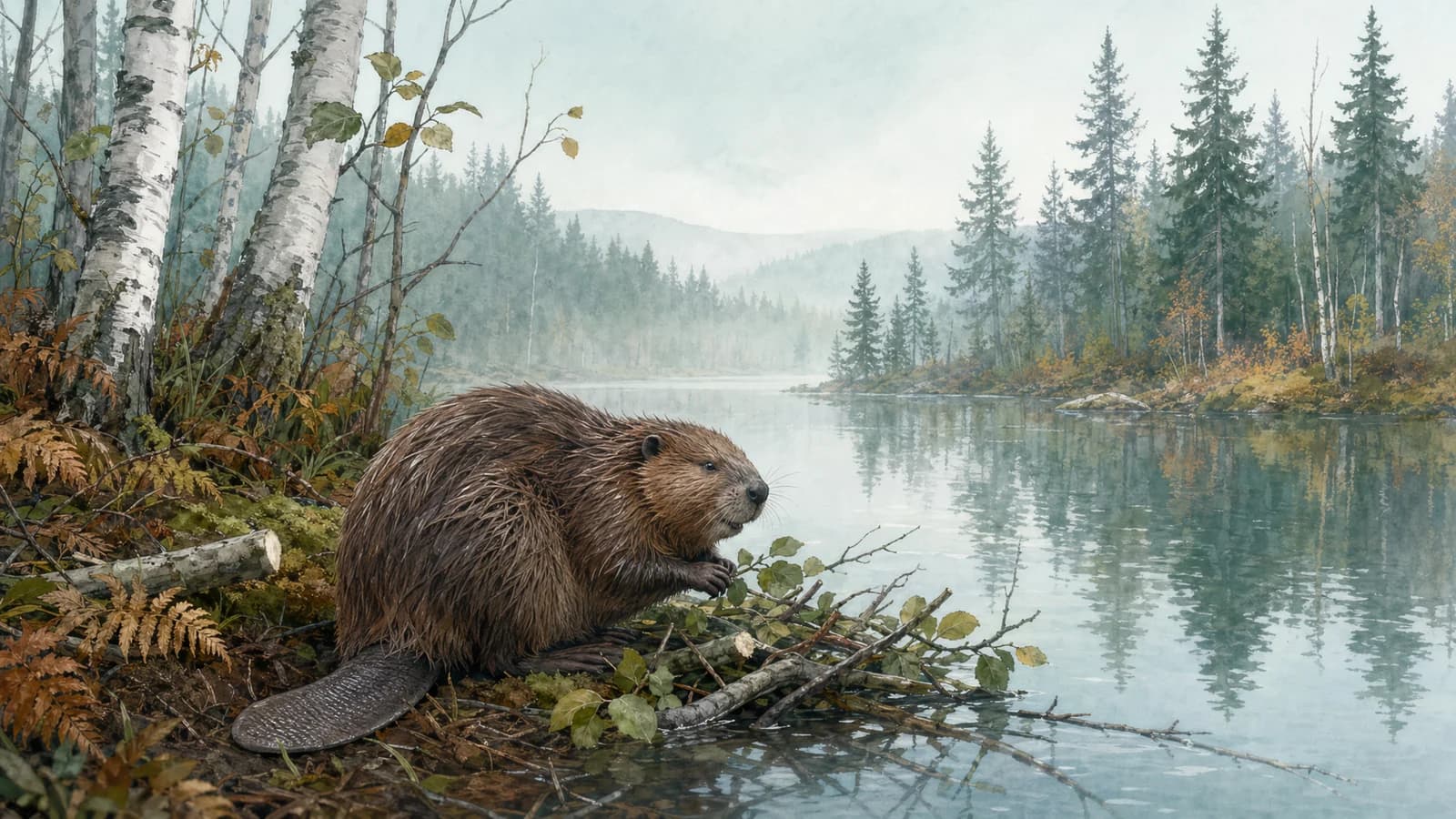
Beaver live close to water, move according to fairly predictable patterns, and leave plenty of sign behind. That means you can actually read the terrain and pick up a lot in a short period of time.

Where many other forms of hunting require larger areas, more coordination, or a steeper learning curve, beaver hunting tends to be more concrete and manageable.

That does not mean it is easy. It just means the variables are clearer.

Where Do You Find Beaver?

Look for the classic signs:

  • felled trees and fresh gnaw marks
  • smooth slides leading down to the water
  • dams or lodges
  • waterline areas with obvious recent activity

Much of the work happens before the hunt itself. If you spend time scouting in advance, your chances of sitting in the right spot when it counts improve considerably.

When Is Beaver Hunting at Its Best?

Beaver hunting is often best during the transition from day to evening, when activity along the water picks up. At that point, it is largely about staying still.

You do not need to cover large areas. What you need is to find the right spot and hold it long enough.

That makes beaver hunting different from more mobile forms of hunting. Here, the most patient hunter usually wins — not the one who moves around the most.

Stand Placement Is Everything

The most important thing is having a clear view of movement along the water without being detected.

Good stand positions are typically spots where you:

  • can see into the waterline or an inlet
  • can sit with a calm background and a low silhouette
  • have safe shooting angles
  • can get in and out without creating unnecessary disturbance

If you choose the wrong spot, it does not matter much that beaver are actually in the area.

Gear and Clothing

Beaver hunting is more about stillness and observation than looking the part.

The key items are:

  • quiet clothing suited to the weather and temperature
  • something comfortable enough to sit on for an extended period
  • optics that help you pick up activity in low light
  • awareness of a safe backstop and shooting angle

It is easy to underestimate how much comfort matters when you need to sit motionless for a long time. If you are cold, you move more. The more you move, the greater the chance the hunt is over before it begins.

Why More Hunters Should Consider Beaver Hunting

For new hunters, beaver hunting is appealing because it can be straightforward and educational. You practice observation, stand selection, and patience. You learn to read sign and use terrain more deliberately.

For experienced hunters, it is interesting for the same reasons. It forces you to slow down and sharpen your judgment.

And for landowners and estates thinking about what kinds of hunting experiences they can offer, this is an angle that is easy to overlook — which is exactly why it is worth a closer look.

Simple Is Often Best

Many hunts get wrapped up in a lot of gear, a lot of talk, and a lot of setup. Beaver hunting is often at its best when you keep it simple:

  • find the activity
  • pick your stand
  • sit still
  • stay alert

That sounds almost too straightforward, but that is precisely where the quality lies.

In Summary

Beaver hunting deserves more attention because it is:

  • low barrier to entry
  • educational
  • calm yet engaging
  • well suited for hunters who want to get out more often without a lot of fuss

That also makes it a form of hunting worth promoting more — both as content and as something terrain owners can offer beyond the most obvious options.

If you want to keep up with hunting grounds and new opportunities, take a look at Hunta. We are building to make hunting more accessible, more organised, and genuinely easier to get started with.

Hunta
For LandownersHunting HandbookBlogAboutLog inSign up
Hunta

We digitize hunting: the app for the team in the field and the marketplace for finding and offering grounds.

Quick Links

  • For landowners
  • About us

Support

  • Support
  • FAQ
  • contact@hunta.no

Hunting Handbook

  • Overview
  • Species
  • Hunting seasons
  • Innlandet
  • Vestland
  • Nordland
© 2026 Hunta AS. All rights reserved.
PrivacyTerms
Beaver Hunting in Norway: Low Barrier, High Reward

Beaver Hunting in Norway: Low Barrier, High Reward

April 7, 2026•4 min read
Beaver hunting is calm, educational, and underrated — a form of hunting with a low entry barrier, minimal logistics, and plenty to learn for both new and experienced hunters.

Beaver Hunting in Norway: Low Barrier, High Reward

Beaver hunting is one of those pursuits more people ought to talk about.

Not because it makes for spectacular Instagram content, but because it is genuinely accessible, engaging, and underrated. For many hunters, beaver hunting can be a low-barrier entry into more active hunting — especially if you want something calm, focused, and doable without a lot of logistics.

At the same time, it demands more of your observation skills than most people expect.

Why Is Beaver Hunting Worth Your Attention?

Beaver live close to water, move according to fairly predictable patterns, and leave plenty of sign behind. That means you can actually read the terrain and pick up a lot in a short period of time.

Where many other forms of hunting require larger areas, more coordination, or a steeper learning curve, beaver hunting tends to be more concrete and manageable.

That does not mean it is easy. It just means the variables are clearer.

Where Do You Find Beaver?

Look for the classic signs:

  • felled trees and fresh gnaw marks
  • smooth slides leading down to the water
  • dams or lodges
  • waterline areas with obvious recent activity

Much of the work happens before the hunt itself. If you spend time scouting in advance, your chances of sitting in the right spot when it counts improve considerably.

When Is Beaver Hunting at Its Best?

Beaver hunting is often best during the transition from day to evening, when activity along the water picks up. At that point, it is largely about staying still.

You do not need to cover large areas. What you need is to find the right spot and hold it long enough.

That makes beaver hunting different from more mobile forms of hunting. Here, the most patient hunter usually wins — not the one who moves around the most.

Stand Placement Is Everything

The most important thing is having a clear view of movement along the water without being detected.

Good stand positions are typically spots where you:

  • can see into the waterline or an inlet
  • can sit with a calm background and a low silhouette
  • have safe shooting angles
  • can get in and out without creating unnecessary disturbance

If you choose the wrong spot, it does not matter much that beaver are actually in the area.

Gear and Clothing

Beaver hunting is more about stillness and observation than looking the part.

The key items are:

  • quiet clothing suited to the weather and temperature
  • something comfortable enough to sit on for an extended period
  • optics that help you pick up activity in low light
  • awareness of a safe backstop and shooting angle

It is easy to underestimate how much comfort matters when you need to sit motionless for a long time. If you are cold, you move more. The more you move, the greater the chance the hunt is over before it begins.

Why More Hunters Should Consider Beaver Hunting

For new hunters, beaver hunting is appealing because it can be straightforward and educational. You practice observation, stand selection, and patience. You learn to read sign and use terrain more deliberately.

For experienced hunters, it is interesting for the same reasons. It forces you to slow down and sharpen your judgment.

And for landowners and estates thinking about what kinds of hunting experiences they can offer, this is an angle that is easy to overlook — which is exactly why it is worth a closer look.

Simple Is Often Best

Many hunts get wrapped up in a lot of gear, a lot of talk, and a lot of setup. Beaver hunting is often at its best when you keep it simple:

  • find the activity
  • pick your stand
  • sit still
  • stay alert

That sounds almost too straightforward, but that is precisely where the quality lies.

In Summary

Beaver hunting deserves more attention because it is:

  • low barrier to entry
  • educational
  • calm yet engaging
  • well suited for hunters who want to get out more often without a lot of fuss

That also makes it a form of hunting worth promoting more — both as content and as something terrain owners can offer beyond the most obvious options.

If you want to keep up with hunting grounds and new opportunities, take a look at Hunta. We are building to make hunting more accessible, more organised, and genuinely easier to get started with.