Woodcock Hunting in Norway: How to Make the Most of the Twilight Flight
Woodcock Hunting in Norway: How to Make the Most of the Twilight Flight
Woodcock hunting is one of those pursuits that looks straightforward — right up until you try it yourself.
On paper it sounds simple: be in position at dusk and wait for the birds to come through. In practice it's about timing, placement, light, wind, and reading the ground well enough to be in the right spot during the short window when everything actually happens.
That tension is also part of the charm. Woodcock hunting is brief, intense, and wonderfully atmospheric when it clicks.
What makes woodcock hunting so special?
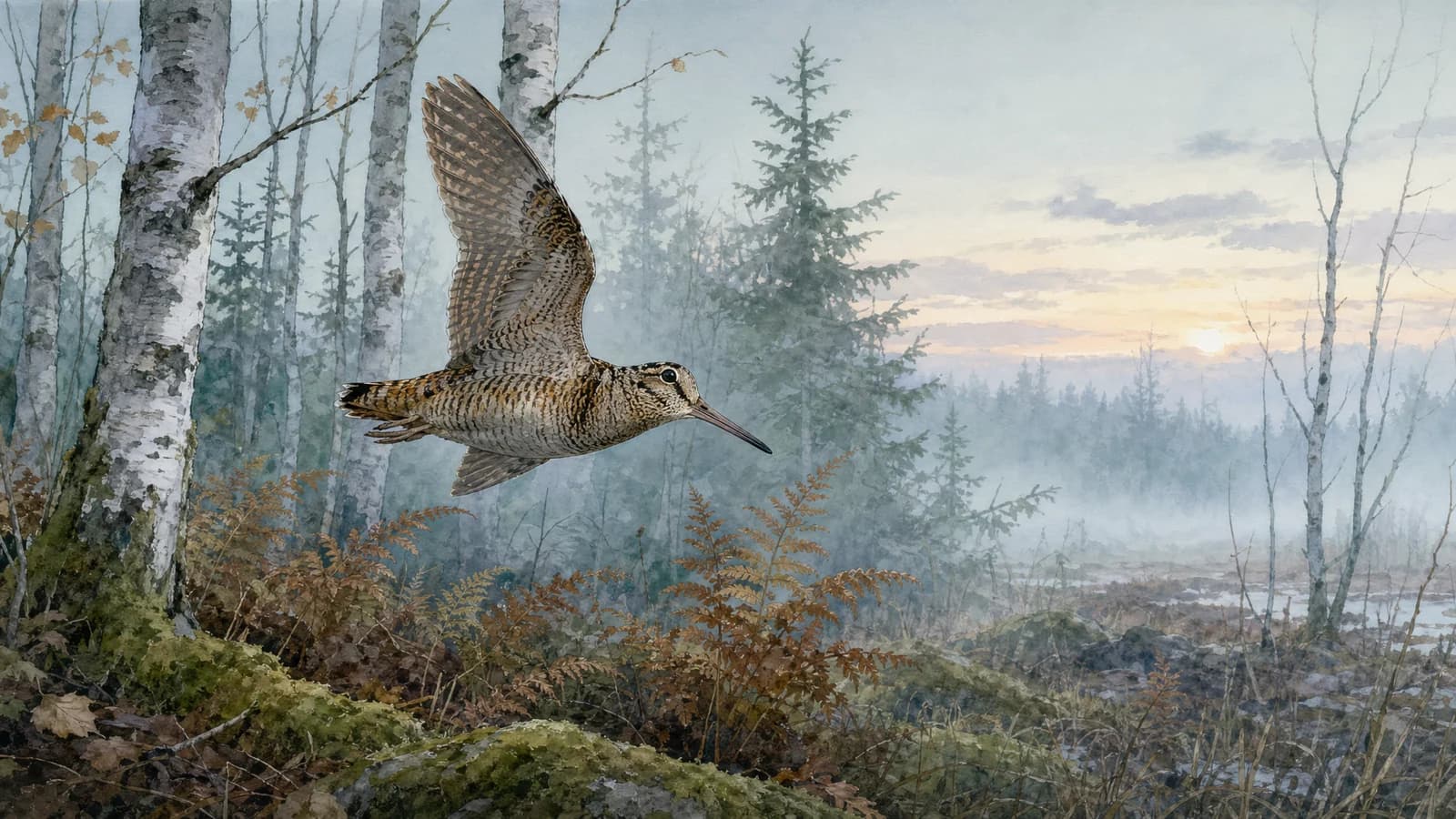
Woodcock tend to flight at dusk, often flying low over woodland edges, clearings, and damp draws in the terrain. The chances come fast and they don't last. That makes it both demanding and addictive.
A lot of hunters are drawn to woodcock precisely because it doesn't require a large party, heavy logistics, or full weekends away. You can have a great session in relatively little time — as long as you know the ground and the flight lines.
When is woodcock hunting at its best?
The classic opportunity is the evening flight. That's when woodcock tend to move low and purposefully through the terrain, and you'll get your best chances if you're standing in the right spot.
Spring and the early season are often the most productive periods, but local conditions matter enormously. Temperature, wind, rainfall, and how wet the ground is all influence activity levels.
The most important thing is to pay attention over time. Woodcock hunting rewards the observant. Not the hunter who shows up randomly with a shotgun.
Where should you stand?
This is where most people go wrong early on. They pick a spot that looks nice rather than a spot where the birds will actually pass.
Look for:
- woodland edges where the terrain opens up slightly
- damp draws or bog margins
- clearings and natural corridors between denser cover
- low ridgelines that give you visibility without exposing you too much
The goal is to find a place where woodcock will naturally slip through — not just a spot that feels like a good stand.
Wind and light matter more than you think
Woodcock hunting isn't just about where the birds are. It's also about what you can actually see — and how quickly you can react.
Low evening sun, dark timber behind the bird, or a cluttered background can make even a reliable flight line hard to hunt. Think just as hard about your sightline and backdrop as you do about the flight itself.
Wind also affects height and direction of flight. On calm evenings the movement tends to be steadier and easier to read. On blustery days things get unpredictable quickly.
Shotgun, clothing, and kit
There's no need to overcomplicate woodcock hunting.
A shotgun you shoot well is all you need for a long time. What matters most isn't having the most expensive gear, but being comfortable with what you actually carry.
Beyond that, it's worth having:
- dark, quiet clothing that doesn't rustle
- good boots if you're standing near wet ground
- a clear indication of your position if you're hunting with others
- a firm picture of your safe shooting arcs
Woodcock hunting takes place in poor light. That makes safety and discipline especially important.
The hardest part of woodcock hunting
The hardest part isn't the shooting. It's being patient enough to learn the pattern.
Many hunters try one evening, see little, and conclude there was nothing there. But woodcock hunting is usually about small adjustments:
- stand 40 metres further south
- move to the other side of the draw
- arrive 20 minutes earlier
- wait 15 minutes longer than last time
Small things can be the difference between zero activity and an evening when you suddenly understand how the flight runs.
Why woodcock hunting appeals to more hunters
Woodcock hunting has another strength: the barrier to entry is relatively low. You don't need a large party, a big bag limit, or an elaborate setup to have a good experience.
For many hunters it's precisely these kinds of outings that get them out more often. Shorter sessions. Less logistics. More actual hunting.
That also makes woodcock hunting an interesting option for landowners who want to offer accessible, well-managed hunting experiences.
In summary
If you want to shoot well on woodcock, think less about luck and more about pattern:
- learn the ground
- observe the flight lines
- choose your stand carefully
- take light and background seriously
- make small adjustments over time
Woodcock hunting looks easy from a distance. But it's exactly the nuances that make it rewarding.
If you're looking for hunting ground and more opportunities in Norway, keep an eye on Hunta. We're building for hunters and landowners who want to make hunting more accessible and well-organised.