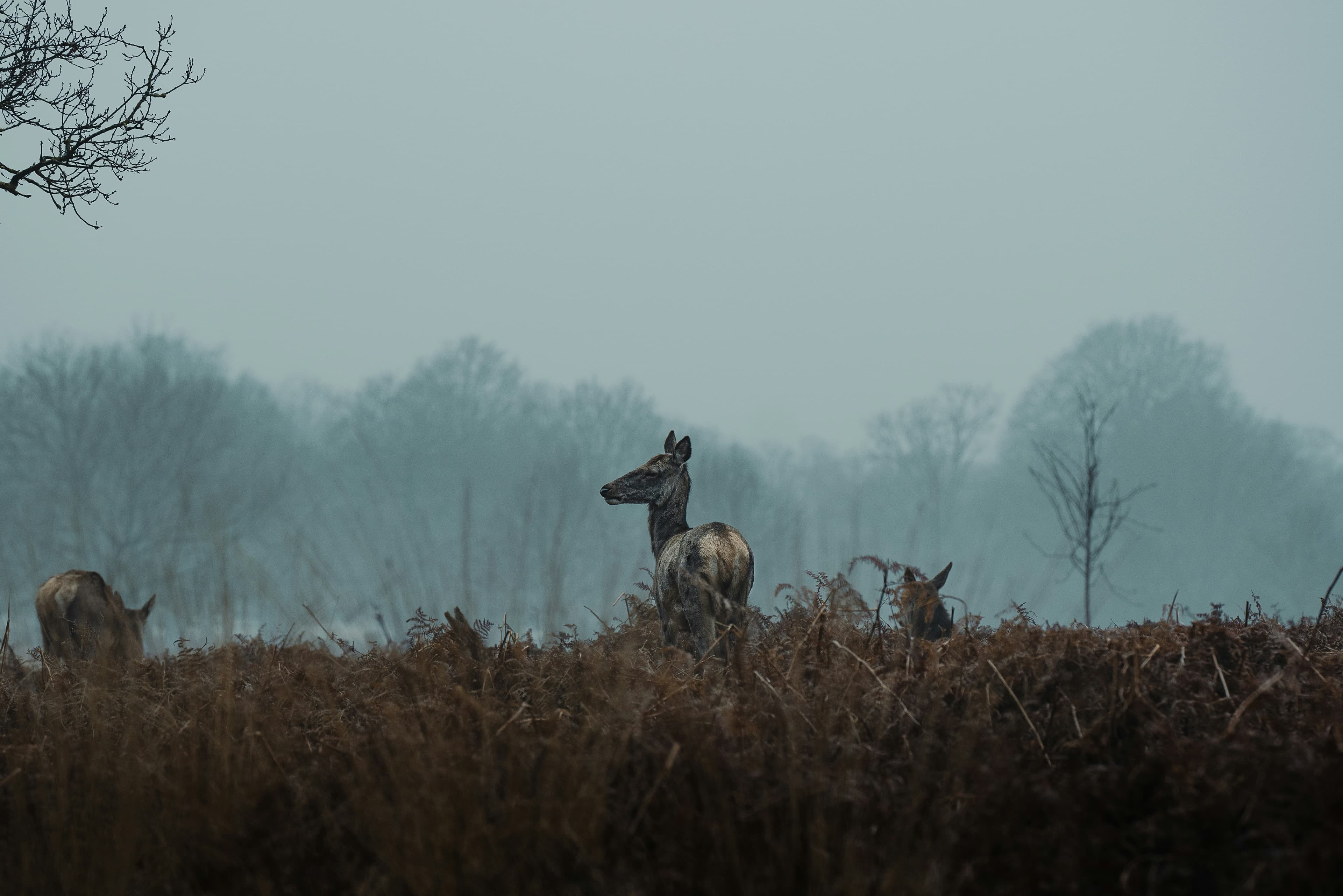
Deer Hunting Revenue: Can Lease Hunting Actually Pay the Bills?
Many landowners sit on prime deer country without knowing what it's worth. Or worse — they think it's too complicated to do anything about it. It doesn't have to be.
The wildlife seminar at Voss on 6–7 February tackles the question of value creation from deer, and the timing is apt. Deer populations in Vestland have grown substantially, yet many landowners are still leaving opportunity on the table.
You don't have to do it all yourself
The most common misconception about lease hunting is that it requires a big operation. That you need to build a cabin, provide guiding, set up a processing facility, and turn yourself into a quasi-tourism business. Some do exactly that, and do it well. But none of that is necessary to get started.
In its simplest form, lease hunting is about granting access to your land. You have the acreage; hunters want to hunt. The arrangement can be as straightforward as a contract, a price, and a short briefing on the terrain. Many landowners start exactly there and expand gradually as it suits them.
The most important thing is not to let the perfect be the enemy of the good. A property doesn't need to be fully set up to have value. Hunters are actively looking for new ground, and most don't expect lodge-standard facilities.
What can you expect?
Income varies with size, location, and what you offer. Some landowners charge a few thousand kroner per hunter per season. Others who have been at it for a while and built up their operation can earn considerably more.
The point is that this is income from a resource you already have. The deer are there regardless. The only question is whether you want someone else to harvest them — and get paid for it.
For many landowners there is also a management benefit. Controlled harvest through leasing gives you better oversight of the herd. You set the quotas; the hunters do the work. That's sound wildlife management and a decent extra income rolled into one.
Venison: a resource bigger than we realise
Norwegian deer venison is an outstanding raw ingredient. Free-ranging animals that have grazed freely in Norwegian nature, with a meat quality that restaurants pay well for. Yet most of that venison ends up in private freezers.
For the venison market to grow, it needs traceability, quality assurance, and enough volume for the grocery trade to take it seriously. That is where initiatives like Hjorteklynga SA come in. The cooperative model brings together landowners, hunters, and local food producers to build a supply chain from field to table.
Even if you as a landowner aren't thinking about meat sales, the trend is relevant. Stronger demand for Norwegian wild venison means more value in every animal taken, and that makes your land more attractive to hunters who want a quality hunt.